veritas terrae
Truth about the Earth
Healthy wetlands, rivers and floodplains can store carbon, reduce flooding, filter water and support people and wildlife. Their health and ours are closely linked. To plan, restore and invest in them, you need to know what’s there and how well they’re working.
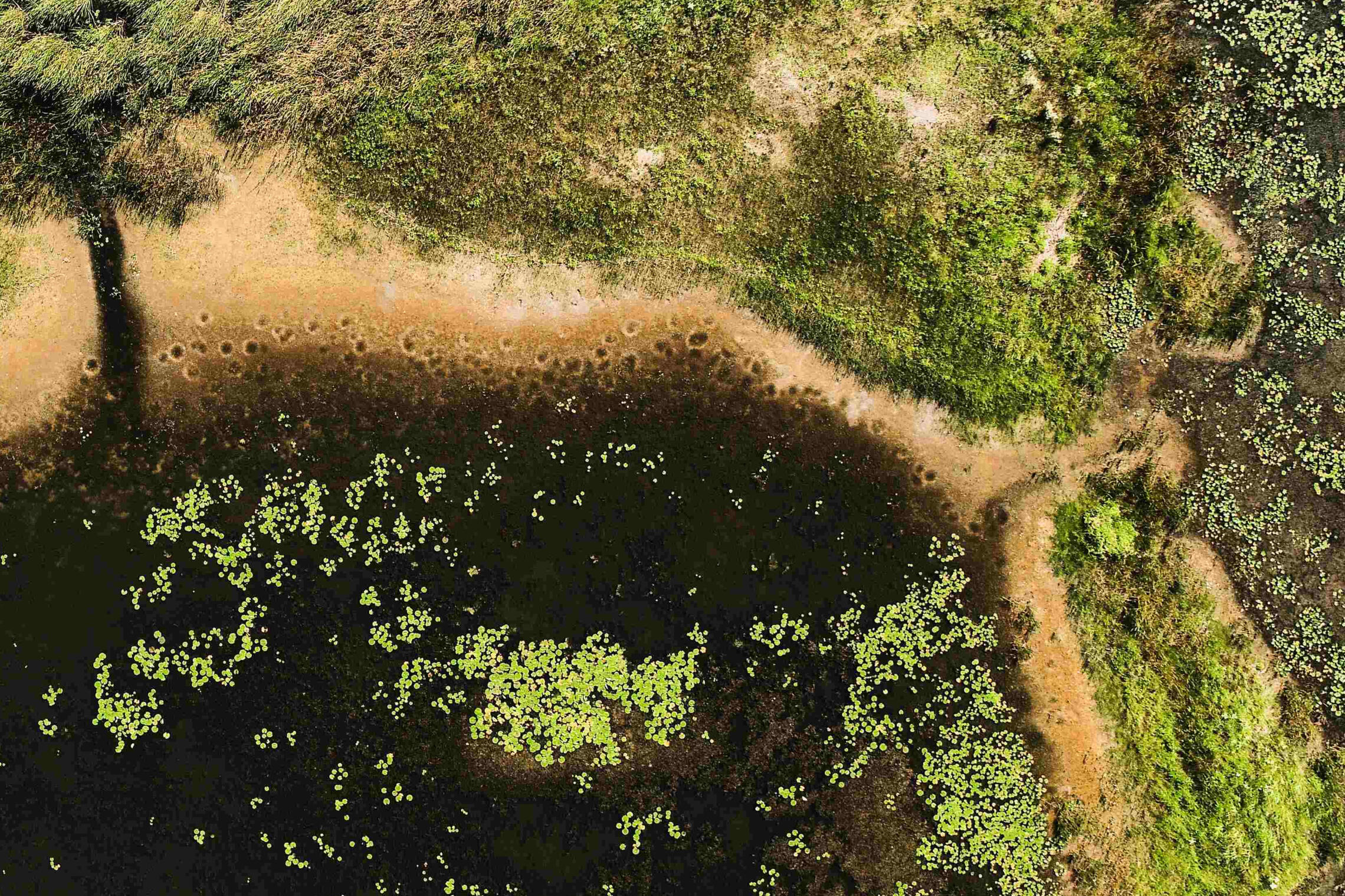
data for planning,restoration & Investment
At veritas terrae we use drones to capture data on freshwater systems. We apply best practices and principles for data stewardship and management, so you can conserve nature with data you can trust.
Why choose veritas terrae?
We capture aerial data that is fit for use, carefully managed and ready to support your next decision.Here’s how we deliver our data:
01.
Built for your Decisons
Expect formats your team already uses, plain-language summaries and documented methods that show how each dataset was collected; so results are comparable over time and questions are easily answered.
02.
Connected, not siloed
We follow best practices for data management and work with the networks and partners in your space, aligning with existing data standards where they apply. This keeps your data consistent and easy to combine with other sources.
03.
Guided by Principles
We apply FAIR, CARE and TRUST into our workflow, from planning and drone capture to sharing and reuse, so your data stays reusable, trustworthy and respects Indigenous data sovereignty.
Note: FAIR- Findable, Accessible, Interoperable and Reusable; CARE-Collective Benefit, Authority to Control, Responsibility, Ethics and TRUST- Transparency, Responsibility, User focus, Sustainability and Technology- are data principles guiding data collection, usage and storage. CARE principles applies to Indigenous Data Governance.
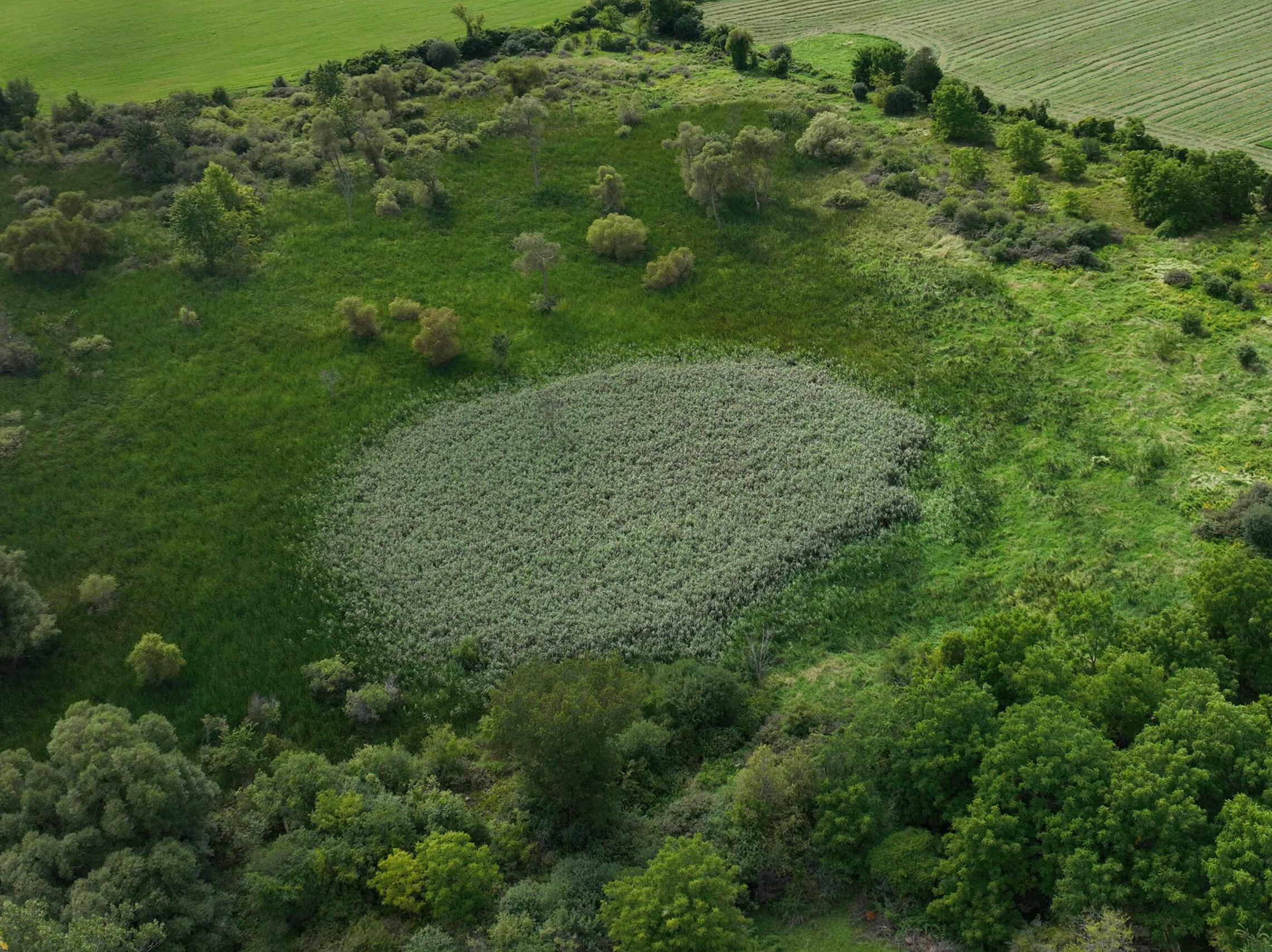
Case study: coming soon!
.
who we help
We start with the questions you have and design solutions to fit.Whether you plan, restore or invest, we turn freshwater data into answers you can act on.
01.
municipalities
& Planners
Plan for climate resilience by knowing where wetlands are, what they’re doing for your community and where they’re at risk with data to guide land use policy decisons.
02.
Conservation practitioners
Complement field surveys and community science events with high-resolution, current maps and data, including places that are difficult to access on foot, so you can see the whole site and track change over time
03.
Nature finance
& investors
Understand project risk, check baselines and back nature projects with a dependable, repeatable aerial data over time.
Let's have a conversation about conservation
About
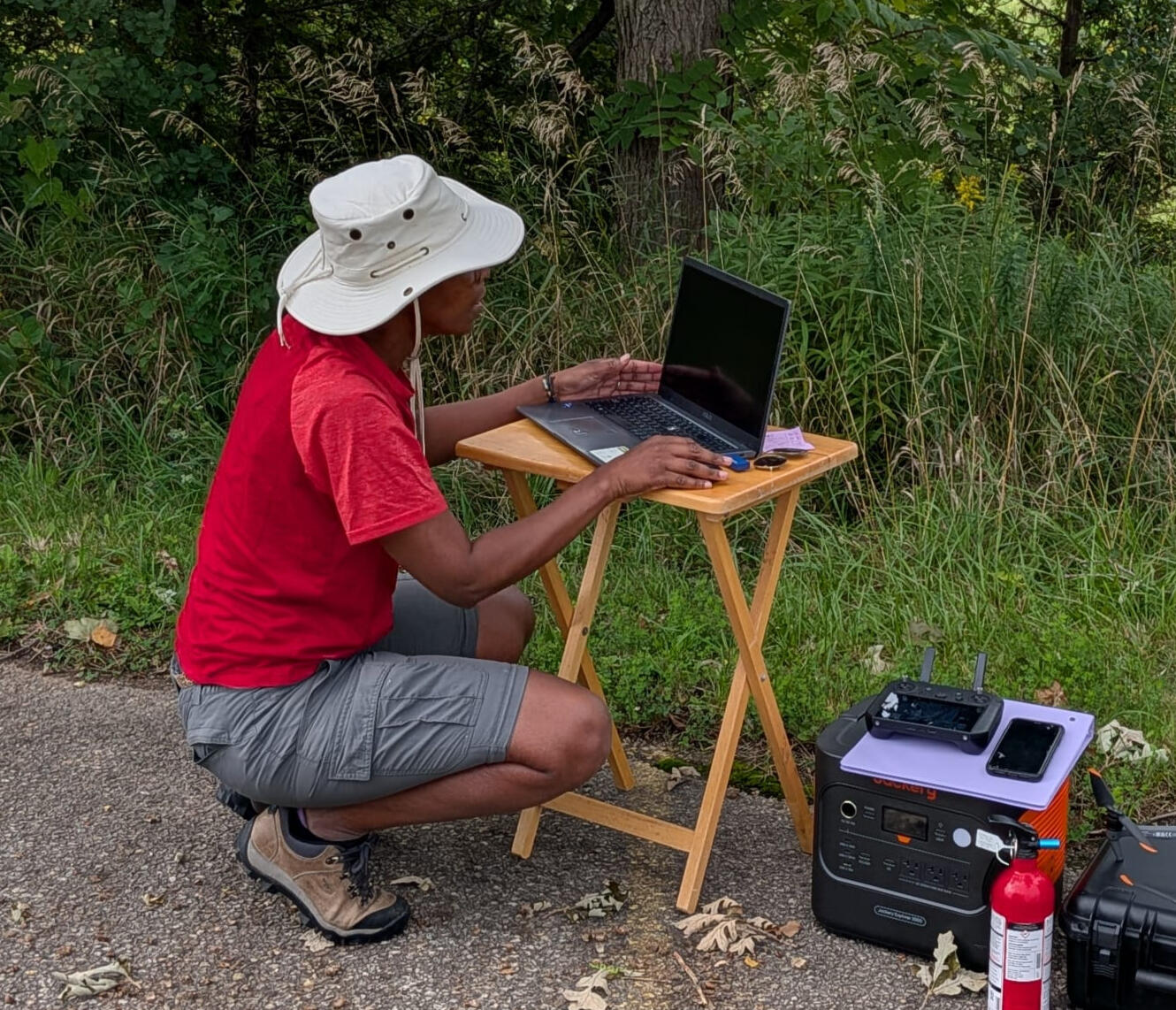
Grace is a Sustainability Consultant and Advanced UAV Pilot specializing in Earth observation for nature, using drones and remote sensing. With a background in land use planning, water management and open data networks, she holds a Master of Environmental Studies from the University of Waterloo and contributes to the Group on Earth Observations (GEO). She is based near Guelph Ontario.Contact
Curious how drone data can support your next decision? Send us a note at: [email protected] .
land acknowledgement
veritas terrae is based on the treaty lands and territory of the Mississaugas of the Credit First Nation, covered by the Between the Lakes Purchase (Treaty 3, 1792). This land is also part of the traditional homelands of the Anishinaabek and is a long-established hunting ground for the Six Nations of the Grand River. Many First Nations, Inuit and Métis peoples live here today. We are grateful to care for this land and its waters, and we are committed to respecting Indigenous data sovereignty in our work.
© 2027 veritas terrae